

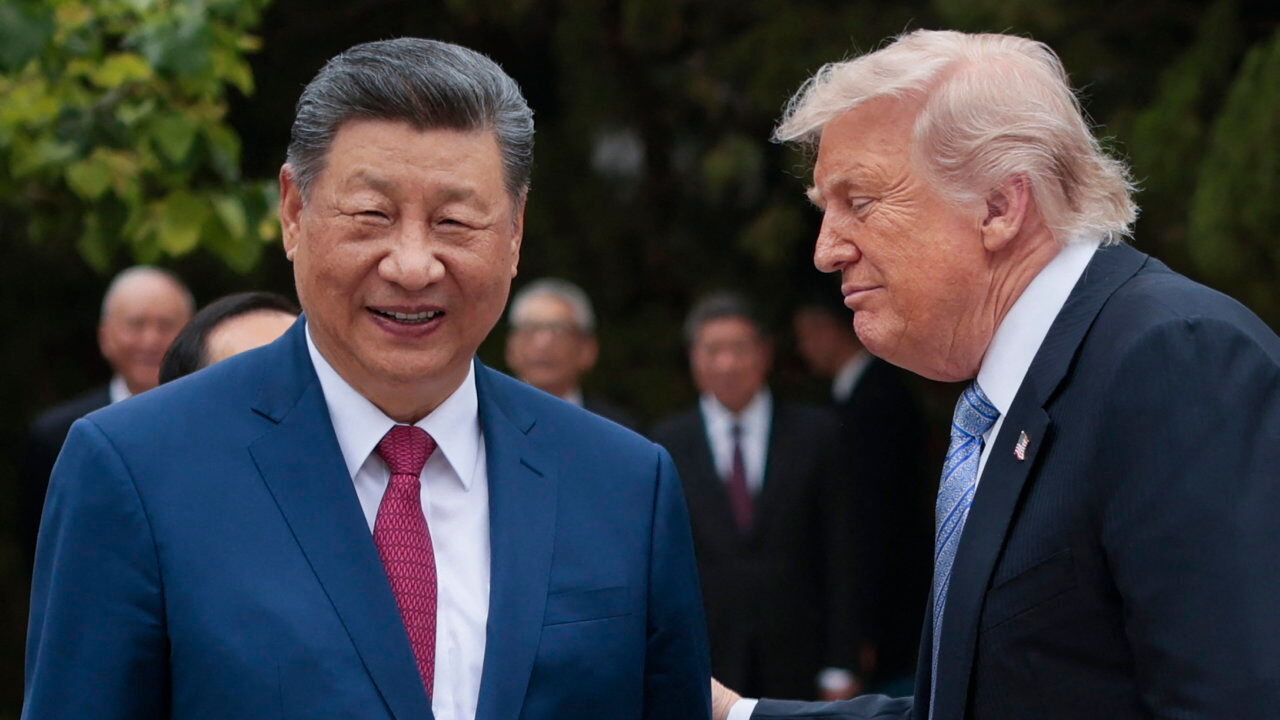
The world is experiencing fast-moving shifts in international relations, where political decisions, economic pressures, and security concerns are reshaping how countries interact with each other. Global headlines today highlight rising tensions, new diplomatic partnerships, and changing trade alliances that are influencing stability across regions. These developments are not isolated events but part of a broader transformation in global power dynamics. Understanding these changes is important for businesses, policymakers, and individuals who want to stay informed about the direction of the world.
Rising Geopolitical Tensions and Diplomatic Shifts
Changing Alliances Between Major Powers
Global geopolitics is witnessing significant changes as major powers adjust their alliances based on economic and security interests. Countries are forming new partnerships while re-evaluating old relationships, leading to a more complex international system. These shifts in international relations are driven by competition in technology, energy security, and military influence, making diplomacy more dynamic and unpredictable.
Regional Conflicts and Their Global Impact
Regional conflicts continue to influence global stability, as their effects often extend beyond borders. Issues such as territorial disputes, political instability, and proxy tensions contribute to uncertainty in global markets and diplomatic relations. International organizations are increasingly involved in mediating these conflicts to prevent escalation and maintain global peace.
Diplomatic Negotiations and Peace Efforts
Despite rising tensions, diplomatic negotiations remain a key tool for resolving international disputes. Countries are engaging in dialogue through summits, bilateral talks, and multilateral forums to reduce friction. These peace efforts reflect the ongoing need for cooperation even in a divided global environment.
Economic Pressures Shaping Global Relations
Trade Wars and Economic Competition
Economic competition among major economies is becoming a central factor in global headlines today. Trade restrictions, tariffs, and supply chain adjustments are impacting international relations and reshaping global commerce. Countries are focusing on strengthening domestic industries while balancing global trade dependencies.
Energy Security and Resource Control
Energy security plays a crucial role in shaping diplomatic relations, especially as nations compete for stable energy supplies. Oil, gas, and renewable energy resources are now key elements in strategic planning. This competition often influences alliances and economic cooperation agreements between countries.
Global Inflation and Financial Stability
Rising inflation and financial instability in several regions are affecting international economic cooperation. Governments are implementing monetary policies to control inflation, while global financial institutions work to stabilize markets. These economic pressures are influencing foreign policy decisions and cross-border investments.
Security Challenges and Global Cooperation Efforts
Cybersecurity Threats and Digital Warfare
Cybersecurity has become a major concern in international relations as nations face increasing digital threats. Cyberattacks targeting government systems, financial institutions, and infrastructure are rising, making digital defense a priority. Countries are now collaborating to strengthen cybersecurity frameworks and share intelligence.
Military Developments and Defense Strategies
Military advancements and defense strategies are shaping global power structures. Nations are investing in modern defense systems and expanding military capabilities to ensure national security. This development often influences diplomatic relations and creates new security alliances across regions.
International Organizations and Crisis Management
Global organizations play an important role in managing international crises and promoting cooperation. Institutions such as the United Nations facilitate dialogue, provide humanitarian assistance, and help coordinate responses to global challenges. Their involvement is essential in maintaining stability during periods of uncertainty.
Technology and Global Influence in Modern Diplomacy
Artificial Intelligence in Global Decision-Making
Artificial intelligence is increasingly influencing international relations by improving decision-making processes and data analysis. Governments are using AI to predict risks, analyze global trends, and enhance strategic planning. This technological shift is changing how diplomatic decisions are made.
Digital Diplomacy and Online Communication
Digital platforms are becoming important tools for diplomacy, allowing leaders to communicate instantly and directly with global audiences. Social media and online communication channels are shaping public opinion and influencing diplomatic narratives in real time.
Technological Competition Between Nations
Competition in advanced technologies such as AI, space exploration, and semiconductor development is shaping modern geopolitics. Countries are investing heavily in innovation to maintain global influence, making technology a central factor in international relations.
FAQs
1. What are global headlines in international relations?
They refer to major news updates involving political, economic, and security developments between countries.
2. Why are international relations changing rapidly?
Because of economic competition, technological advancement, and shifting political alliances.
3. How does trade affect global relations?
Trade influences diplomacy by creating dependencies, competition, and economic cooperation between countries.
4. What role does technology play in global politics?
Technology affects decision-making, security, communication, and global competition among nations.
5. Why is cybersecurity important in international relations?
It protects national systems from attacks and supports global cooperation against digital threats.
Conclusion
Global headlines today reflect a world in transition, where international relations are being reshaped by political shifts, economic pressures, security challenges, and technological advancements. These rapid changes highlight the increasing interconnectedness of nations and the need for cooperation in addressing global issues. Staying informed about these developments is essential, as they directly influence the future of global stability, economic growth, and international peace.
