

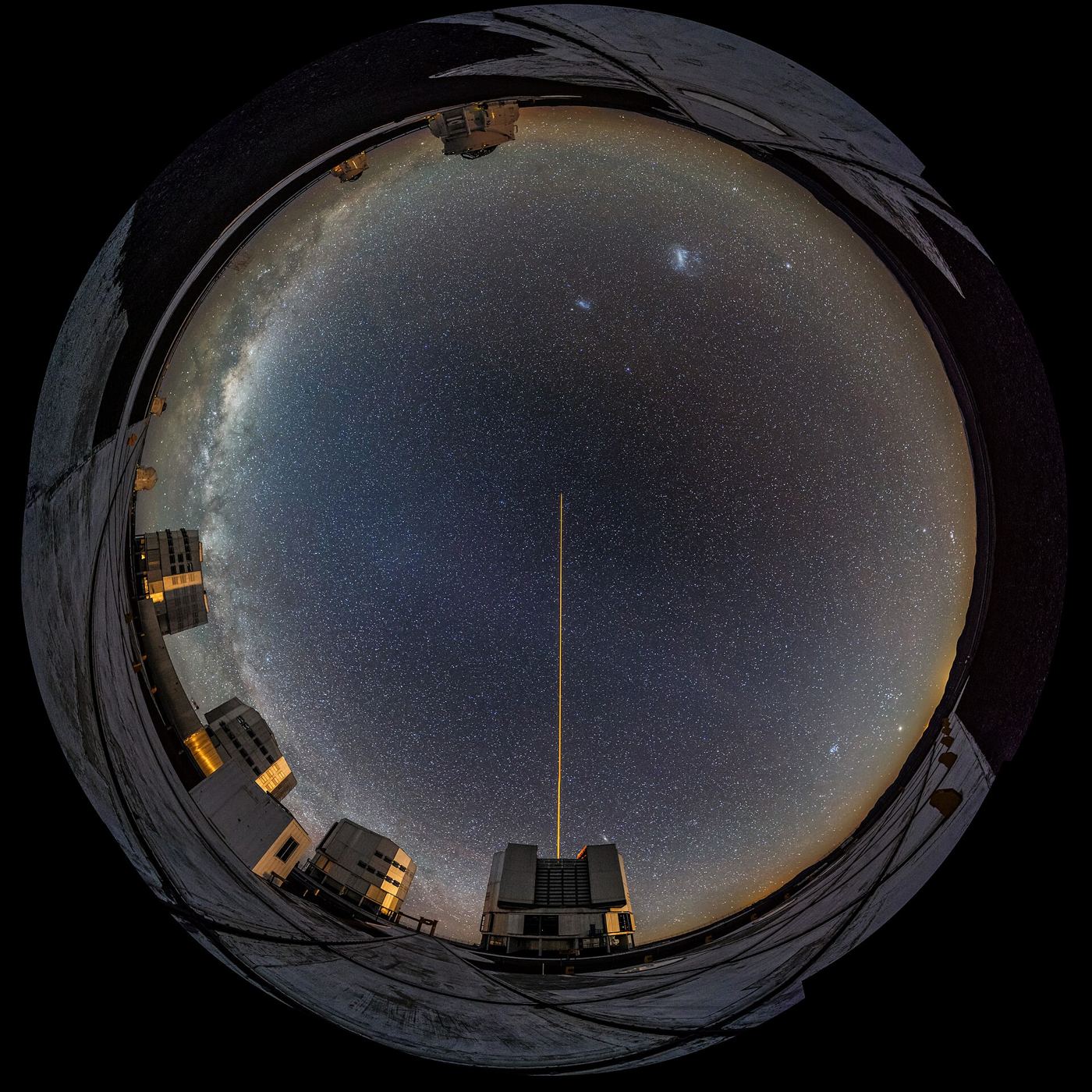
Astronomers at a high altitude observatory have completed a successful run of observations tracking a distant planet as it passed in front of its host star. Exceptionally clear and stable skies allowed the team to measure the tiny dip in starlight with unusual precision. From that signal, researchers can refine the planet size, orbit and atmosphere characteristics. The target is a gas giant, but the techniques being sharpened apply equally to smaller rocky worlds. Specialists following exoplanet telescope observations say repeated transits are essential because a single event can be distorted by weather or stellar activity. By combining several passes, teams build confidence in the measurements and can search for signs of gases such as water vapour in the atmosphere. Ground based telescopes remain vital even in the space telescope era, since they can observe bright targets flexibly and test new instruments quickly. Students joined the run through a training programme, learning calibration and data analysis on live observations. The observatory also hosted public viewing nights, connecting the technical work with the simple experience of looking at the stars.
What the Evidence Shows
The data will be compared with space based measurements to cross check results and improve models of the planet atmosphere. Disagreements between datasets are treated as useful, revealing instrument limits. Engineers used the clear run to test an upgraded camera that reduces noise and speeds up image capture between exposures. That improvement increases the number of stars that can be monitored each season. Light pollution and satellite trails remain growing challenges for ground astronomy, and observatories continue to work with local communities on shielding outdoor lighting. Dark skies benefit wildlife and human health as well as science. The team plans follow up observations during the next transit window, coordinating with partner observatories at different longitudes to extend coverage. Each precise measurement narrows the range of possible conditions on the planet. While no single observation answers whether such worlds could support life, the accumulation of data is transforming distant planets from points of light into places with measurable weather and chemistry. Reporting and analysis from sources such as Nature track the same developments, and specialists following exoplanet telescope observations say the direction is now consistent across independent lines of evidence.
The Wider Context
The wider context is a research landscape in which replication and open data now decide reputations. Findings connected to exoplanet telescope observations are being checked by independent groups with shared datasets, and the teams involved publish their methods in full so rivals can test every step. That discipline is slower than a headline cycle, but it is why results in this area increasingly survive first contact with scrutiny.
What Happens Next
What happens next in the story of exoplanet telescope observations will be decided by follow-up work already under way: larger samples, longer observation and instruments that have not yet come online. The researchers involved are unusually united on one point, that the current results justify the next investment of time and money. Readers will not have to wait long for the first tests of that claim. You can follow related developments in our coverage of science.
None of this will be settled by a single announcement, study or product launch. The pattern to watch is accumulation: independent confirmations, honest reporting of failures and steady improvement in the underlying numbers. Readers who follow those signals, rather than the loudest claim of the week, will understand this subject better than most of the commentary surrounding it suggests is possible.
