

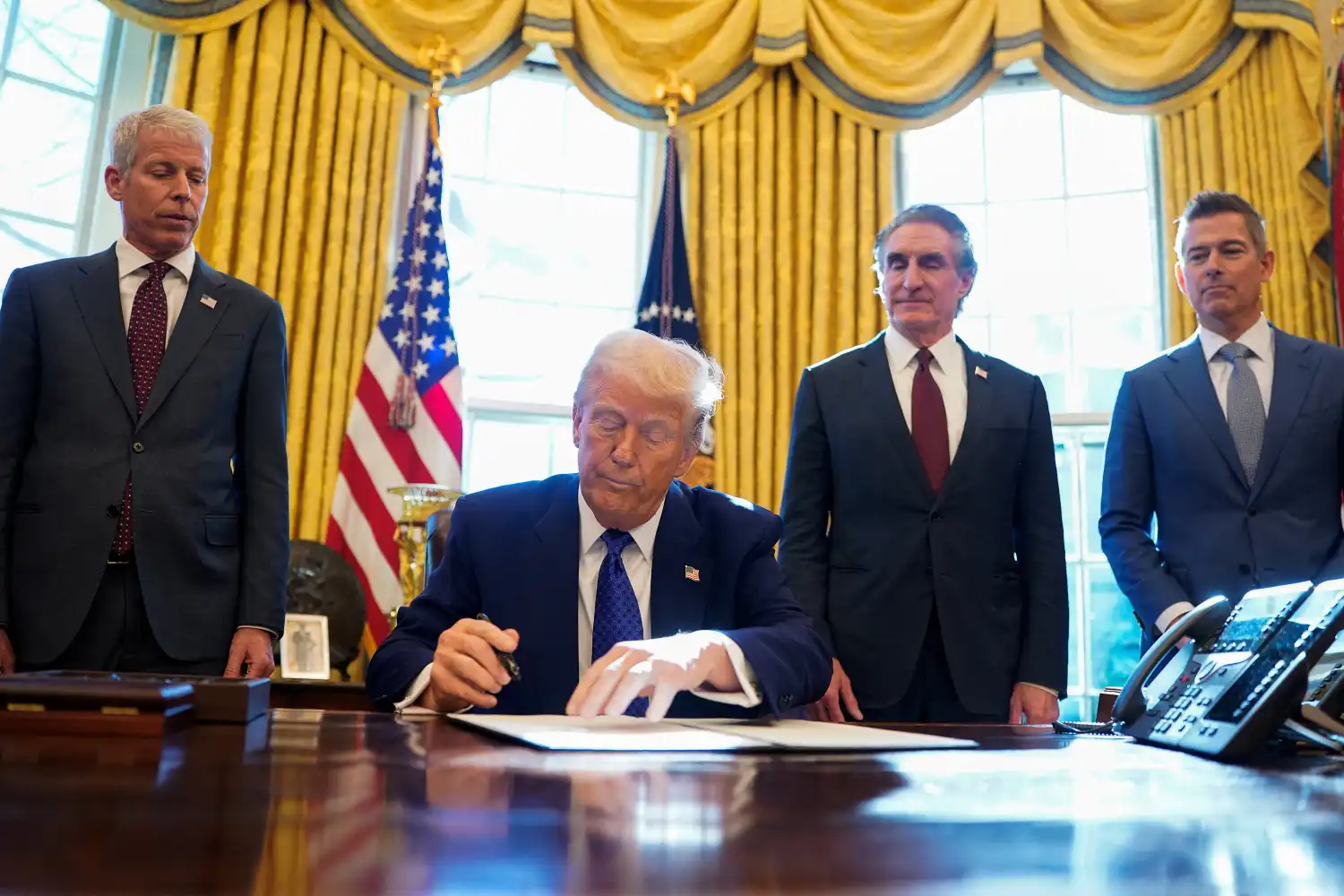
The latest government policies often appear straightforward on the surface, designed to improve the economy, provide public support, and ensure better governance. However, when we look deeper, there are often hidden layers, complex motivations, and long-term impacts that are not always clearly communicated to the public. Understanding these hidden truths is important because government decisions directly affect jobs, taxes, inflation, digital systems, and everyday life. This article explores the lesser-known aspects of recent policy changes in a simple, clear, and informative way.
Understanding the Real Purpose Behind Government Policy Changes
Economic Stability vs Political Strategy
Many government policies are introduced in the name of economic stability, but they also often serve political strategy. While stabilizing inflation or boosting growth is the official goal, policies can also be timed to influence public opinion or strengthen governance narratives. This dual purpose means citizens should not only look at what is said publicly but also consider the broader context of why a policy is introduced at a specific time.
Short-Term Relief vs Long-Term Impact
A common pattern in policy design is offering short-term relief while creating long-term structural changes. For example, subsidies or tax adjustments may provide immediate benefits, but over time they can shift economic responsibility in new directions. This balance between immediate relief and future consequences is often not fully explained, making it important for citizens to stay informed about long-term implications.
Influence of Global Economic Pressure
Government policies are not created in isolation. Global markets, international trade agreements, and foreign economic pressure play a major role in shaping decisions. Many policies are adjusted to maintain global competitiveness or attract foreign investment. However, this influence is often underreported, leading to a gap in public understanding of how interconnected global and national economies truly are.
The Hidden Impact of Policy Decisions on Everyday Citizens
Changes in Tax Structure and Public Spending
Tax reforms and adjustments in public spending directly affect household budgets, yet the full impact is often realized gradually. While governments may highlight benefits like improved infrastructure or social support, changes in indirect taxes or service costs can increase living expenses over time. Understanding these shifts helps citizens make better financial decisions.
Digital Monitoring and Data Collection Systems
Modern government policies increasingly involve digital systems that collect and process citizen data for efficiency and security. While these systems improve service delivery, they also raise concerns about privacy and data usage. Many people are unaware of how much personal data is being collected and how it may be used in policy enforcement and public administration.
Employment and Industry Transformation
Policy changes often lead to shifts in job markets and industry structures. While some sectors grow due to new regulations or incentives, others may shrink or face restructuring. These transitions can create both opportunities and challenges for workers, especially those who are not prepared for rapid economic changes driven by policy decisions.
How Policy Narratives Are Shaped and Communicated
Media Framing and Public Perception
Government policies are often presented through carefully structured media narratives. The way information is framed can influence how the public interprets the effectiveness and importance of a policy. While official communication highlights benefits, critical details may receive less attention, shaping public perception in subtle ways.
Policy Language and Public Understanding Gap
Many policy documents use complex legal and technical language that is difficult for the general public to understand. This creates a gap between what is actually written and what citizens interpret. As a result, important details may be misunderstood or overlooked, leading to incomplete awareness of policy effects.
Transparency and Information Accessibility
Although governments aim to improve transparency, access to clear and simplified information remains a challenge. Policy updates are often released in technical formats, making it difficult for ordinary citizens to fully understand their rights and responsibilities. Improving accessibility is essential for stronger public engagement and trust.
FAQs
1. What are hidden truths in government policies?
They refer to less visible impacts, motivations, and long-term effects that are not clearly explained in public announcements.
2. Why do government policies change frequently?
Policies change due to economic conditions, political priorities, and global influences.
3. Do policies affect everyday life?
Yes, they impact taxes, prices, jobs, and public services directly or indirectly.
4. Why are some policy details unclear to the public?
Because of technical language, complex systems, and limited simplified communication.
5. How can citizens stay informed about policies?
By following reliable news sources, reading simplified summaries, and tracking official updates.
Conclusion
Government policies play a crucial role in shaping a country’s economy and society, but their deeper impacts are often more complex than they appear. By understanding the hidden aspects behind policy decisions, citizens can make more informed choices and better adapt to changes. Staying aware, asking questions, and analyzing information critically helps build a more informed and responsible society.
